Maamawi, minonakiiwin ga zhitoomin ji shkewziyaang wii Ogimaakangeying, nakeying enenjgewaat edbendaagzijig.
Promoting Self-Sufficiency Among Our Members
Serving our First Nation communities since 1990.
Maamawi, minonakiiwin ga zhitoomin ji shkewziyaang wii Ogimaakangeying, nakeying enenjgewaat edbendaagzijig.
Promoting Self-Sufficiency Among Our Members
Serving our First Nation communities since 1990.
Funded through the national Indigenous Skills Employment Training Strategy, which supports approximately 110 agreement holders across Canada in delivering skills development, training, and employment services to Indigenous peoples.
The ISET program aims to improve skills levels, reduce skills gaps, and increase employment outcomes for Indigenous citizens.
- The program is delivered through Indigenous organizations that hold agreements with the government.
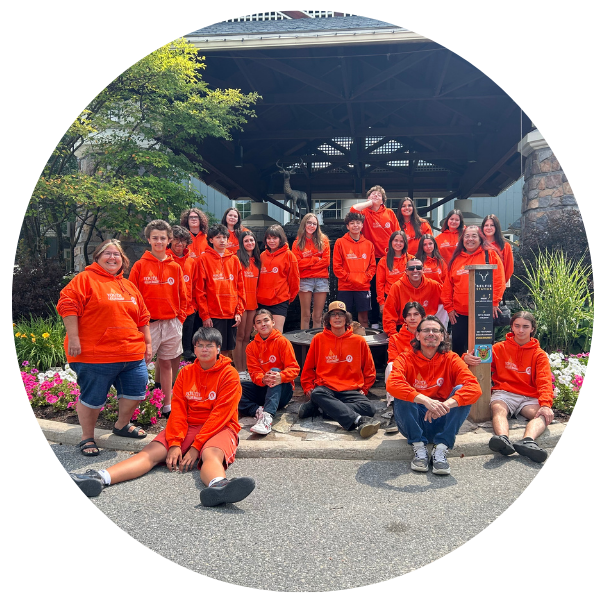
- OTC holds the agreement for 5 First Nations (Chippewas of Georgina Island, Beausoleil, Rama, Mississaugas of Scugog Island and Pottawatomis of Moose Deer Point) to provide services through the OTTER Program.
- These organizations have over 600 service points across the country to provide support.
Resources
Employment
Program Overview
- Employment Counselling
One-on-one support for job seekers - Funding for Training
Funding for up to 50 weeks of occupational or technical training (job skills training) - Targeted Wage Subsidies
Work experience placements in the communities - Summer Career Placements
Summer work experience placements in the communities - Child Care Enhancement
4 licensed Childcare Centres in Beausoleil, Georgina Island, Rama and Moose Deer Point - Apprenticeships
Funding to complete training portion - Self-Employment Assistance
Up to 50 weeks of living support while you develop your business - Hugh Buzzy Big Canoe (HBC) Youth Entrepreneurship Program
$5,000.00 grant to assist youth starting a business (awarded annually) - Job Creation Partnership
Placements outside of the First Nations communities - EI Part 2 Assistance
Maintain your EI claim while in training
Client Eligibility
Otter Program
Ogemawahj Tribal Training & Economic Resources
- To assist OTC First Nation members who are long term unemployed, eligible for EI or on social assistance with in-school training, on-the-job training, work experience or a combination of both
- To provide skills enhancement opportunities for OTC First Nation members
- To provide Summer Employment Experience to OTC First Nation Secondary and Post Secondary students that have just completed a full academic program and will be entering another full academic program
Application Forms
Please complete, print and bring the following forms to your first appointment.
Client Eligibility
To qualify for an ISETS program, a person must:
- Be a member of an OTC First Nation
- Resident in Ontario
- Be unemployed, on social assistance or EI
- Consideration will be given to clients who are underemployed and/or clients whose employment is at risk due to changes in the labour market, insufficient employment skills or certification.
Training Eligibility
- Training to provide employable and/or transferable skills
- Applicant will have a high probability of achieving employment when these skills are acquired
- Training should lead to the Applicant’s self-sufficiency and career aspirations
- To be eligible for training allowances, there must be the ability to monitor attendance and progress by OTTER staff
Eligible Training
- Adult Basic Education/Upgrading is eligible. Upgrading to meet post secondary entrance requirements may be considered.
- Industry Training (i.e. renewable training/short term tickets) may be considered on a one-time basis, provided other eligibility requirements are met
- Apprenticeships (client must re-apply for each year of the apprenticeship)
Eligible Training Providers
- Recognized and accredited training delivered by private, post-secondary and industry institutions
- Delivery agents recognized by industry
- Non-profit organization, business or unions may be eligible under each program’s specific criteria
Process To Apply
- All applicants must complete the OTTER intake and assessment process
- Applicants must complete a Participant Information Form (PIF) and
- Consent Form
- Funding depends on budget availability
- OTTER has an appeals process in place
Eligible Costs
- Tuition and Books/Supplies
- Living Allowances
- Travel/Parking
- Wages/MERC
- Disability related supports
- Upgrading
- Other costs may be considered depending on program requirements
Annual Reports

Join the OTTER Program Facebook Page to get job postings, program bulletins, employment and training opportunities!
Department Contact
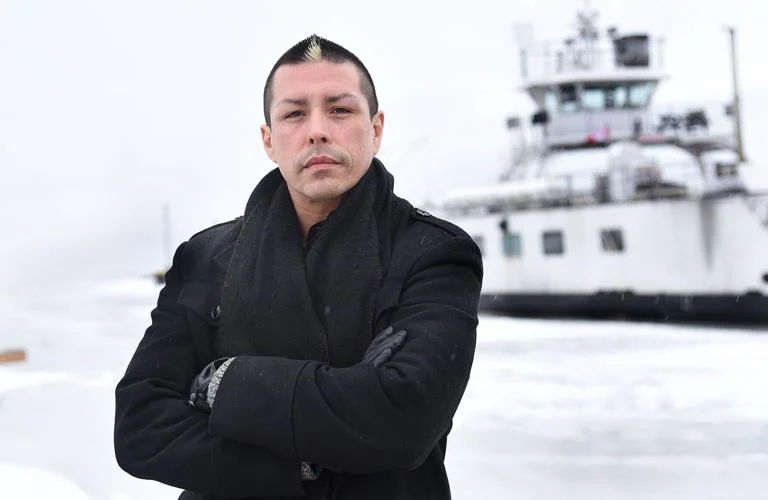
Brandon Stiles
Employment and Training Coordinator
Brandon is Anishinaabe (Ojibway) from the Chippewas of Georgina Island and Rama First Nations in South Central Ontario.
He has a background in employment services, environmental management and Indigenous social development and has been working in Indigenous social services since 1998.
He has been a successful manager, program coordinator, event planner and proposal writer and is a certified Career Development Practitioner, Essential Skills Practitioner and Job Club Coach.
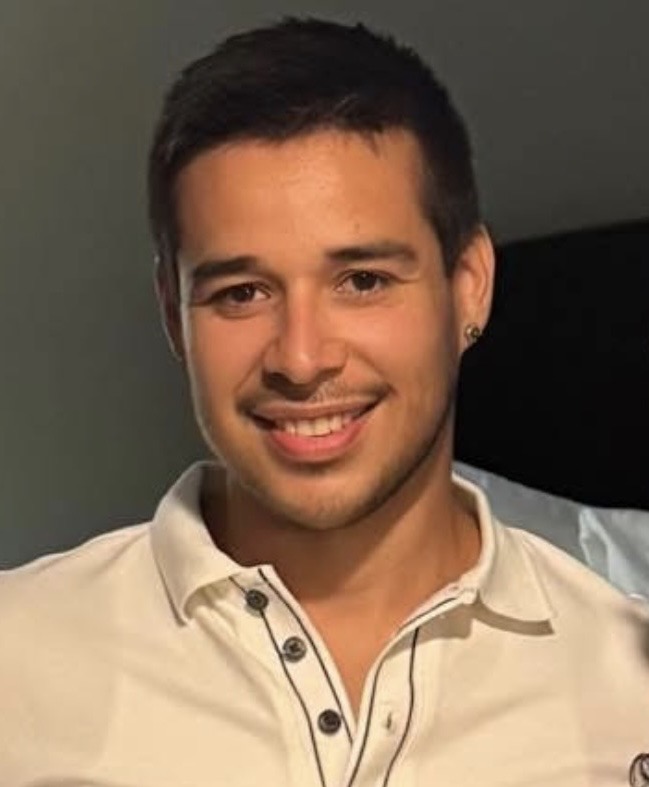
Jacob Monague
Employment Officer
Jacob Monague serves as the Employment Officer, where he is committed to helping community members achieve meaningful and sustainable employment through education, skills development, and career advancement opportunities.
In his role, Jacob administers employment and training programs, assists clients with career planning, resume development, job search strategies, and funding applications, and builds partnerships with employers, educational institutions, and community organizations to create pathways to employment. He is passionate about supporting workforce development and empowering individuals to build fulfilling careers while strengthening Indigenous communities.
Drawing on his background in communications, project coordination, and community engagement, Jacob brings a collaborative and client-focused approach to every interaction. He believes that investing in people creates stronger families, healthier communities, and lasting economic growth, and he is dedicated to ensuring every client has access to the opportunities and support they need to reach their full potential.